DIN 32546
The new standard for torque sealants
Classified consistently for the first time. For greater clarity in product selection and application.
A common framework for torque sealants
DIN 32546 introduces consistent requirements and classes for torque sealants, also commonly known as torque seals. This makes products easier to describe, compare and select for a specific application.
Clear classes
Coating system, flow behaviour and classification are clearly specified.
Better comparability
Products can be classified based on defined properties.
Defined testing
Standardised test procedures support the assessment of the specific bolted joint.
Not every mark is a seal
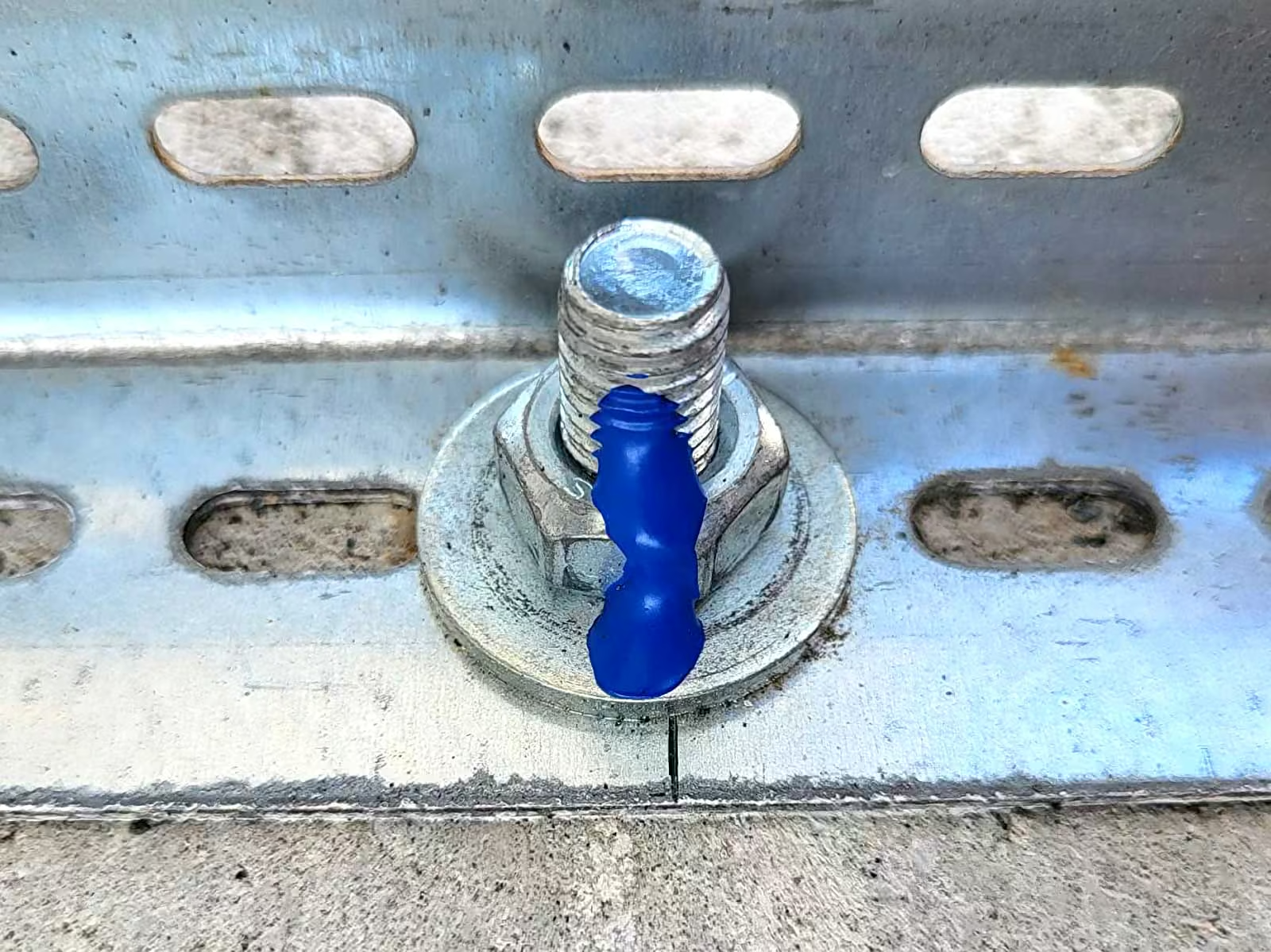
The torque sealant must connect the fastener and the adjoining component and visibly break if the joint moves.
Applied as a compliant seal
The torque sealant connects the moving parts of the bolted joint. If the joint moves, the seal visibly breaks.
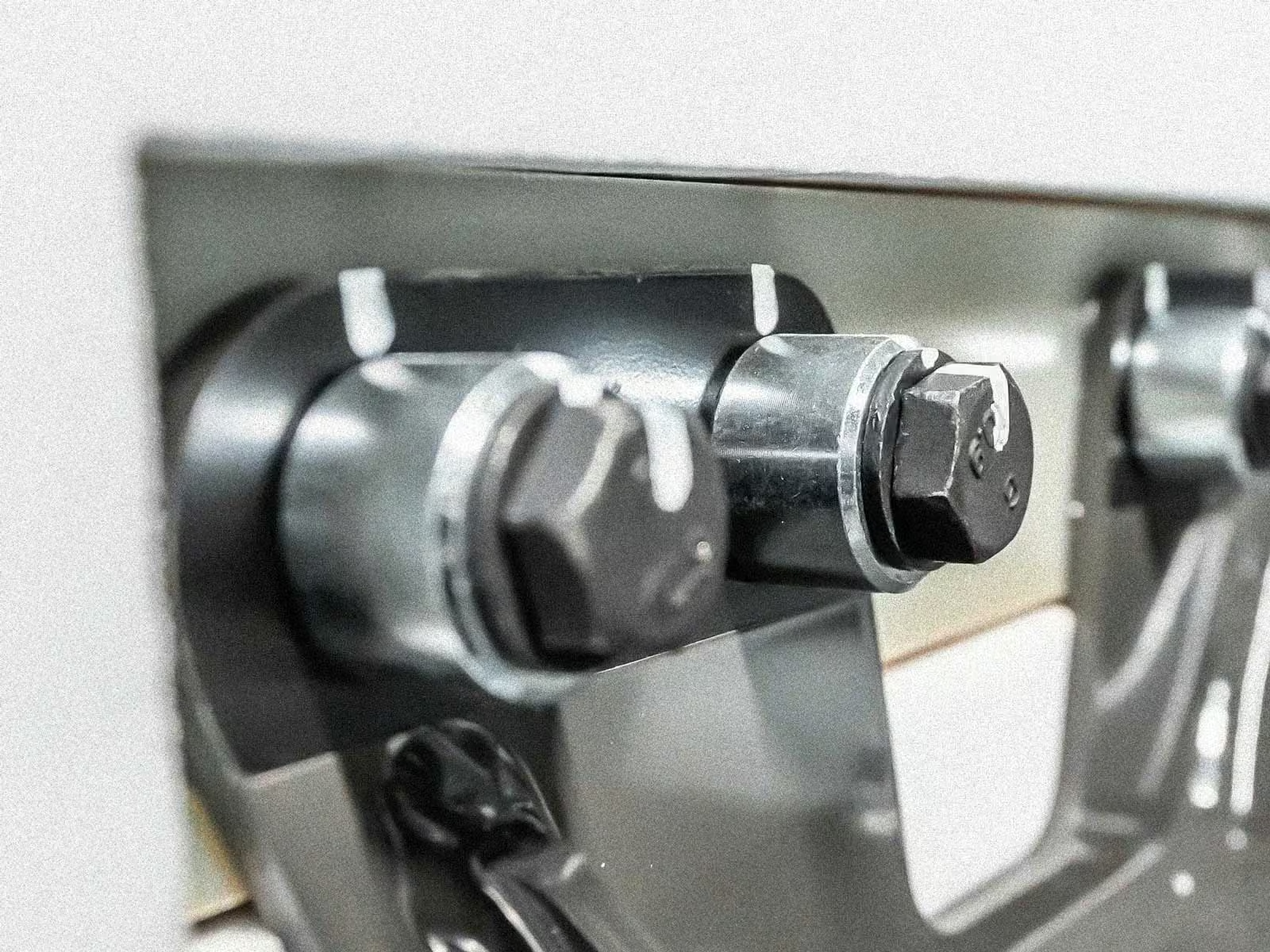
Applied as a marking only
The coating does not connect the moving parts of the bolted joint. Any movement therefore cannot be reliably identified.
What does the DIN class tell you?
The class designation summarises the key properties of a torque sealant. It indicates the coating system, flow behaviour and GHS 02 classification.
SL-2.1.GHS 02
SL
Product type: torque sealant
2
Coating system: solvent-based
1
Flow behaviour: Flow
GHS 02
Classified with the GHS02 flame pictogram
DIN-compliant solutions
Five product ranges with a clearly specified classification to DIN 32546
Frequently asked questions about DIN 32546
Key information about the classification, application and testing of torque sealants.
What does DIN 32546 cover?
DIN 32546 defines the characteristics, requirements and test procedures for torque sealants applied to screws and other threaded fasteners. Torque sealants serve as visual inspection marks and loosening indicators.
What does the class designation mean?
The class designation specifies the application class, flow behaviour and, where applicable, the GHS 02 classification. This makes the key properties of a torque sealant easy to identify.
Is a simple marking sufficient under DIN 32546?
No. A marking alone does not connect the moving parts of the bolted joint. DIN 32546 requires a physical seal that visibly breaks if the joint moves.
What is the difference between Flow and Anti-Flow?
Flow describes torque sealants with moderate to low flowability. Anti-Flow describes torque sealants with very low or no flowability. The classification is determined using a defined flow test.
Which Bäder products are classified to DIN 32546?
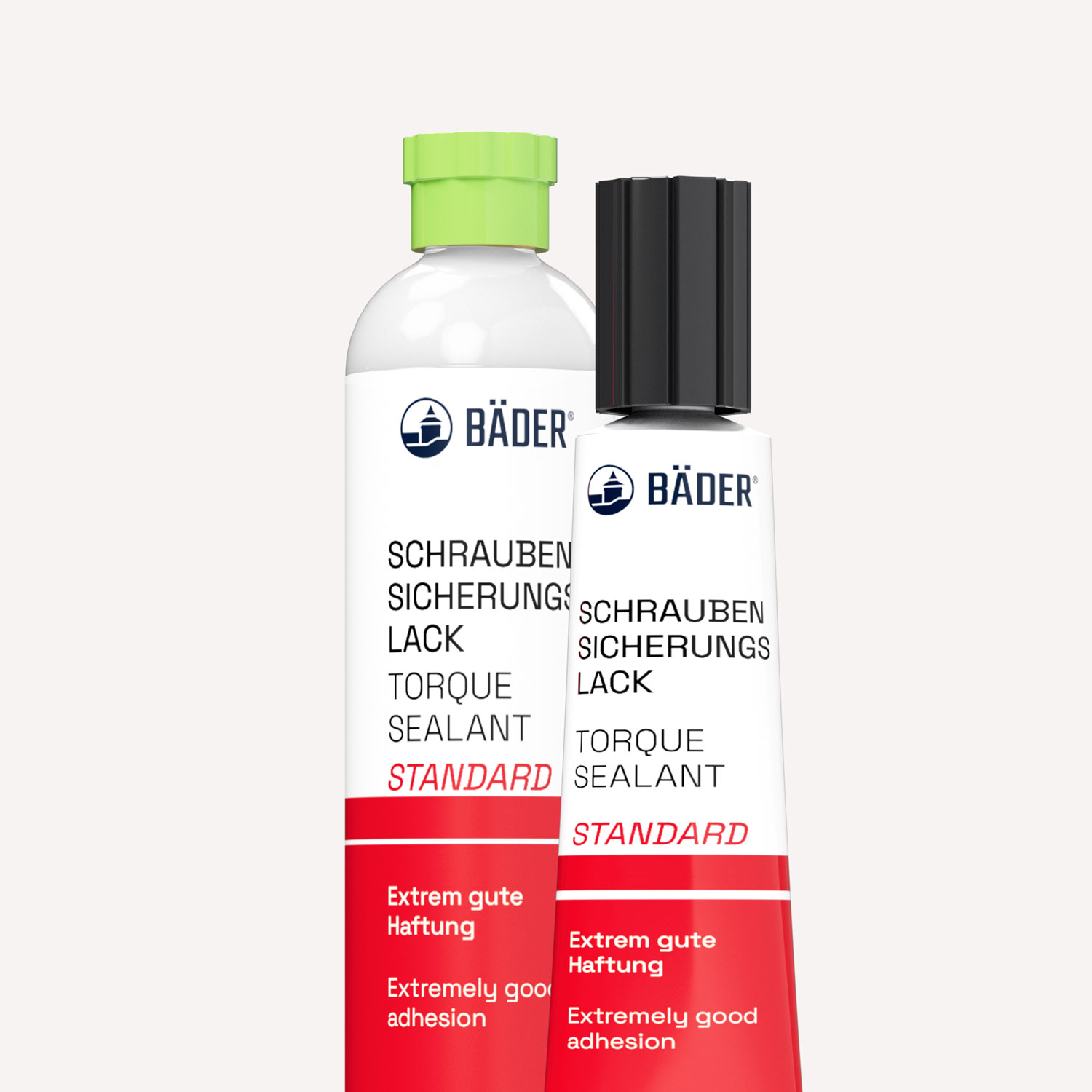
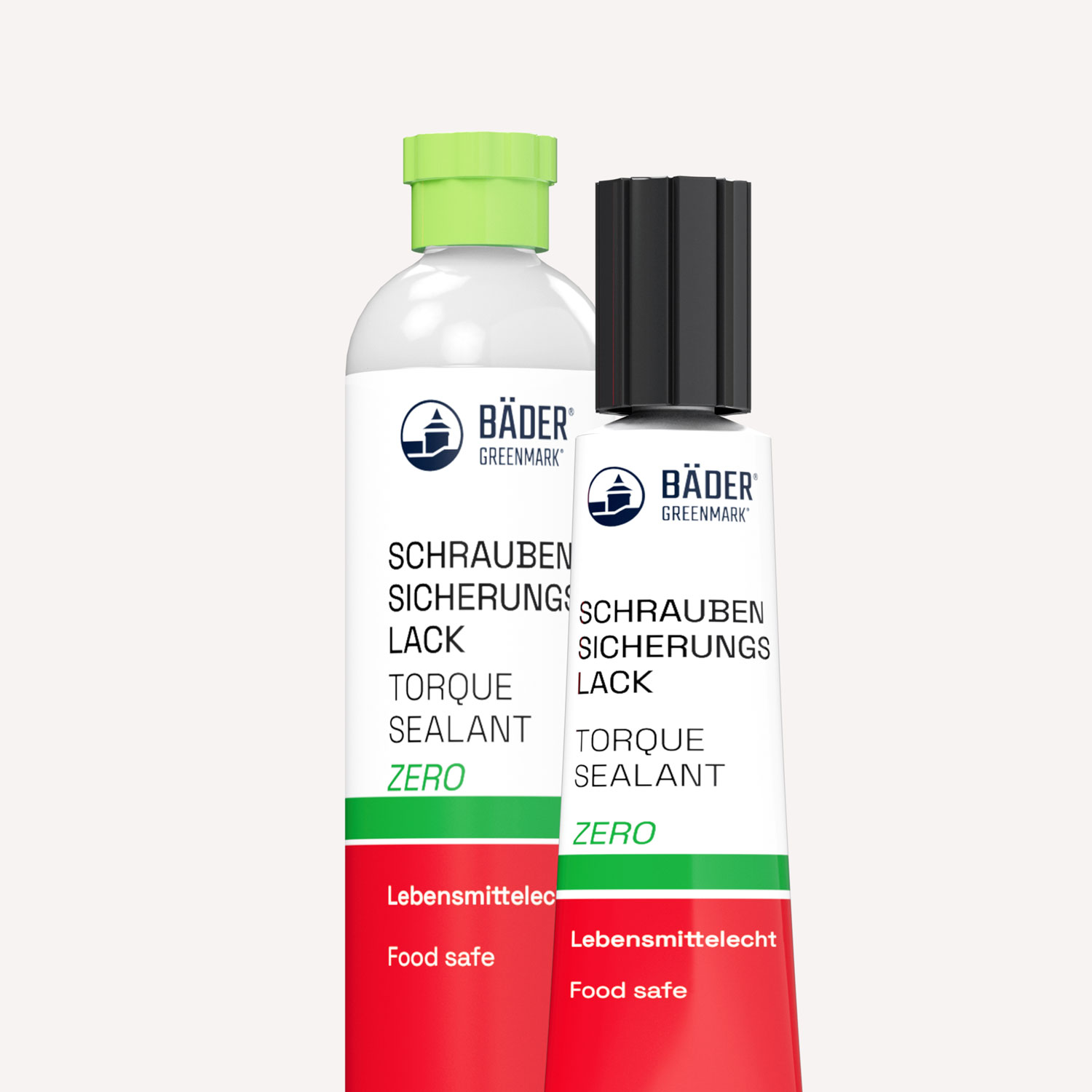
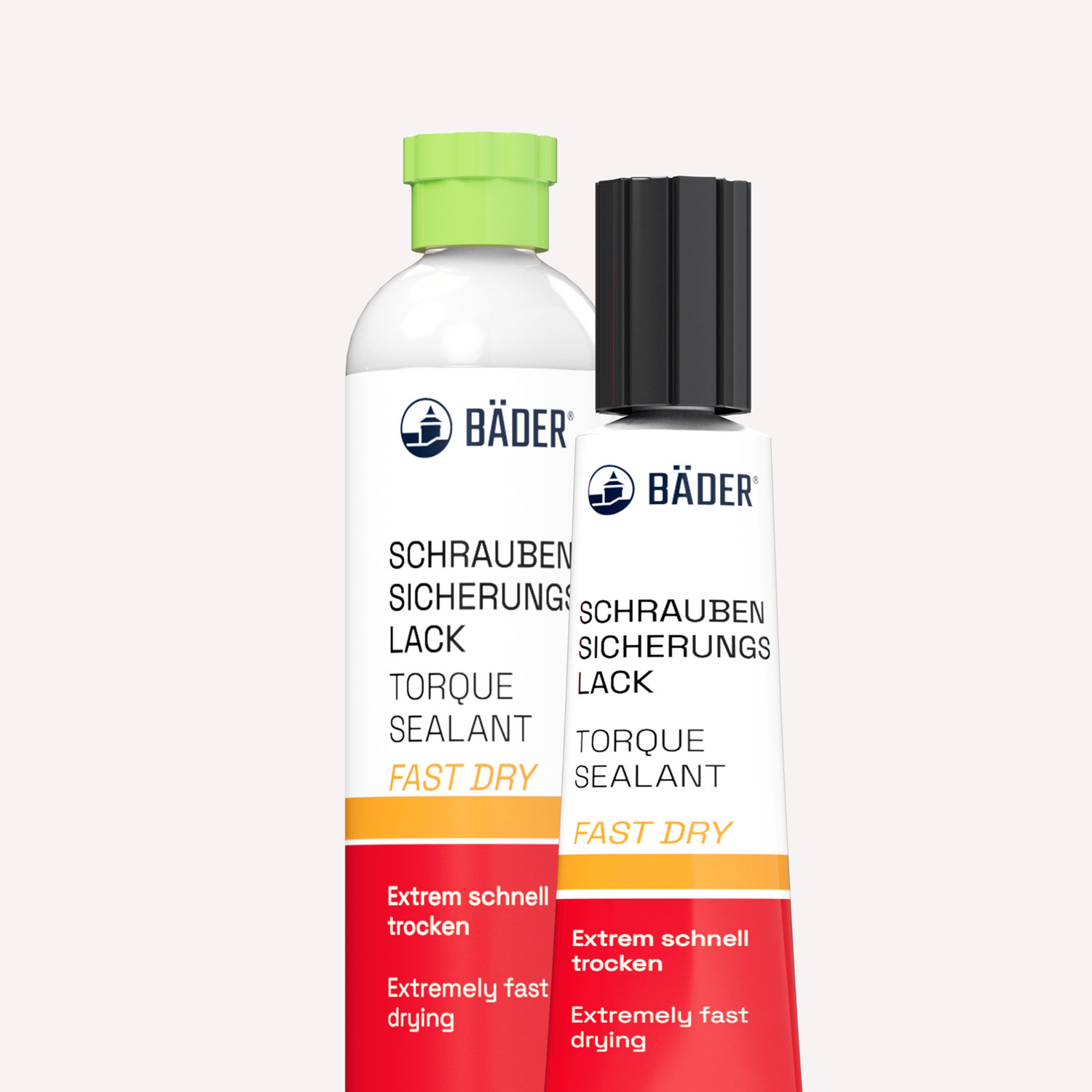
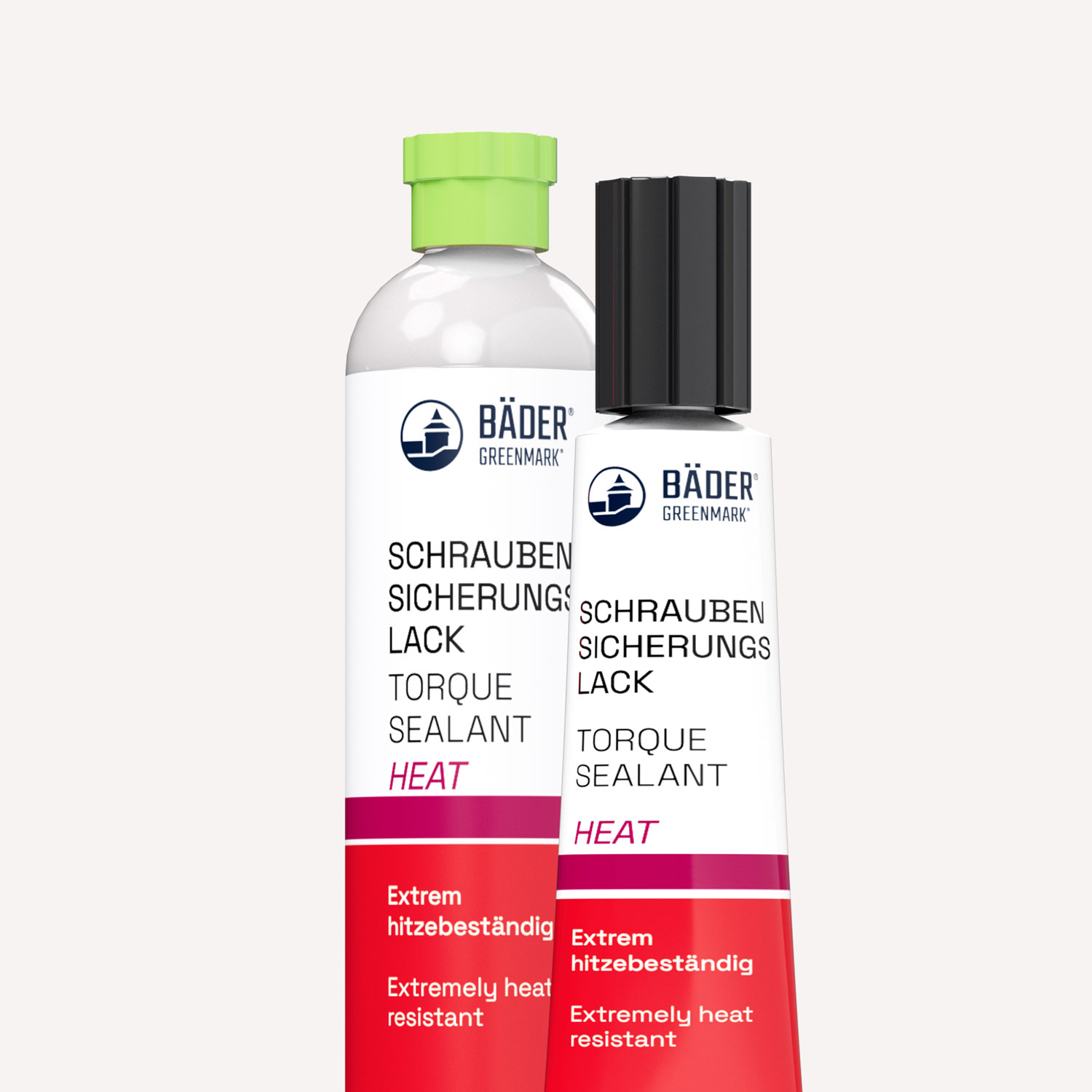
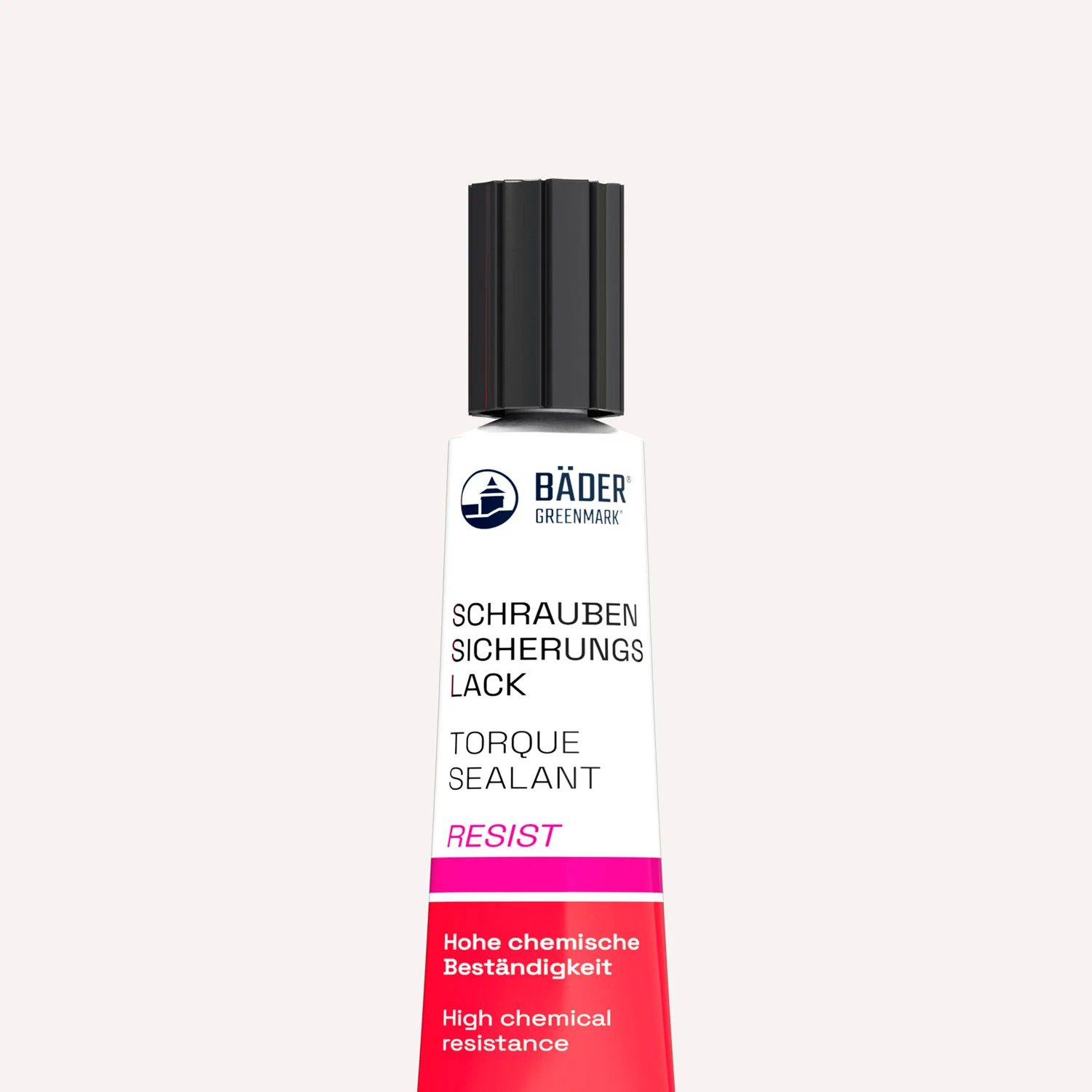
The Standard, Zero, Fast Dry, Heat and Resist ranges are classified to DIN 32546 according to their respective properties. The specific class is shown with each product.
Does torque sealant replace a threadlocker?
No. Torque sealant makes potential movement or tampering on a bolted joint visible. It does not replace a technical threadlocker designed to prevent self-loosening.
Does the specific bolted joint need to be tested?
Yes. DIN 32546 requires a break test on the intended bolted joint. The applied seal must visibly break on all five tested joints.
How should torque sealant be applied?
The torque sealant must connect the screw or nut to an adjoining component. Only then does it form a physical seal that can visibly break if the joint moves.
Are torque sealant and torque seal the same thing?
Yes. In industrial applications, both terms describe a coating applied to bolted joints for visual inspection. DIN 32546 uses the term torque seal.
Which solution is right for your application?
We help you select the right torque sealant and assess your requirements under DIN 32546.